


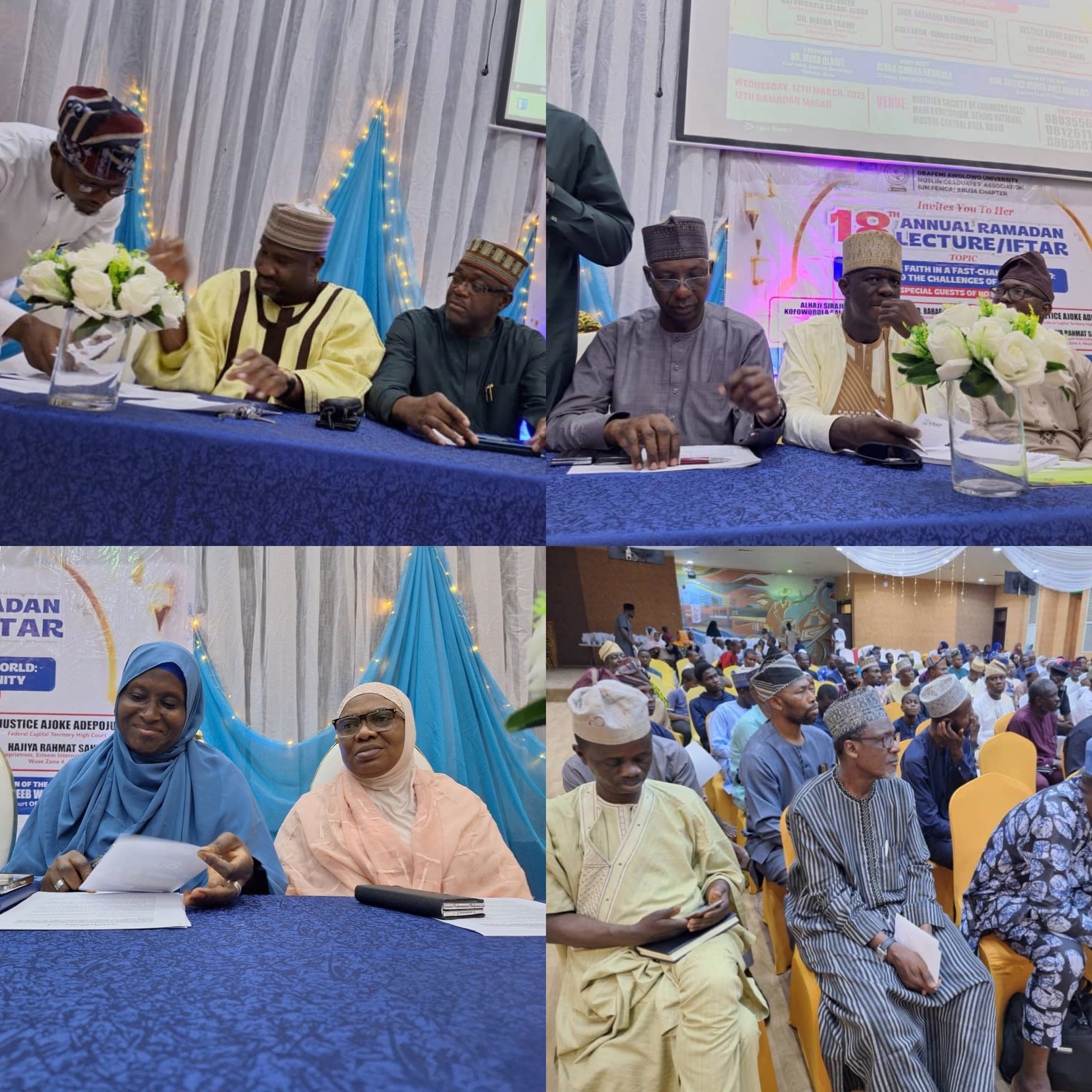
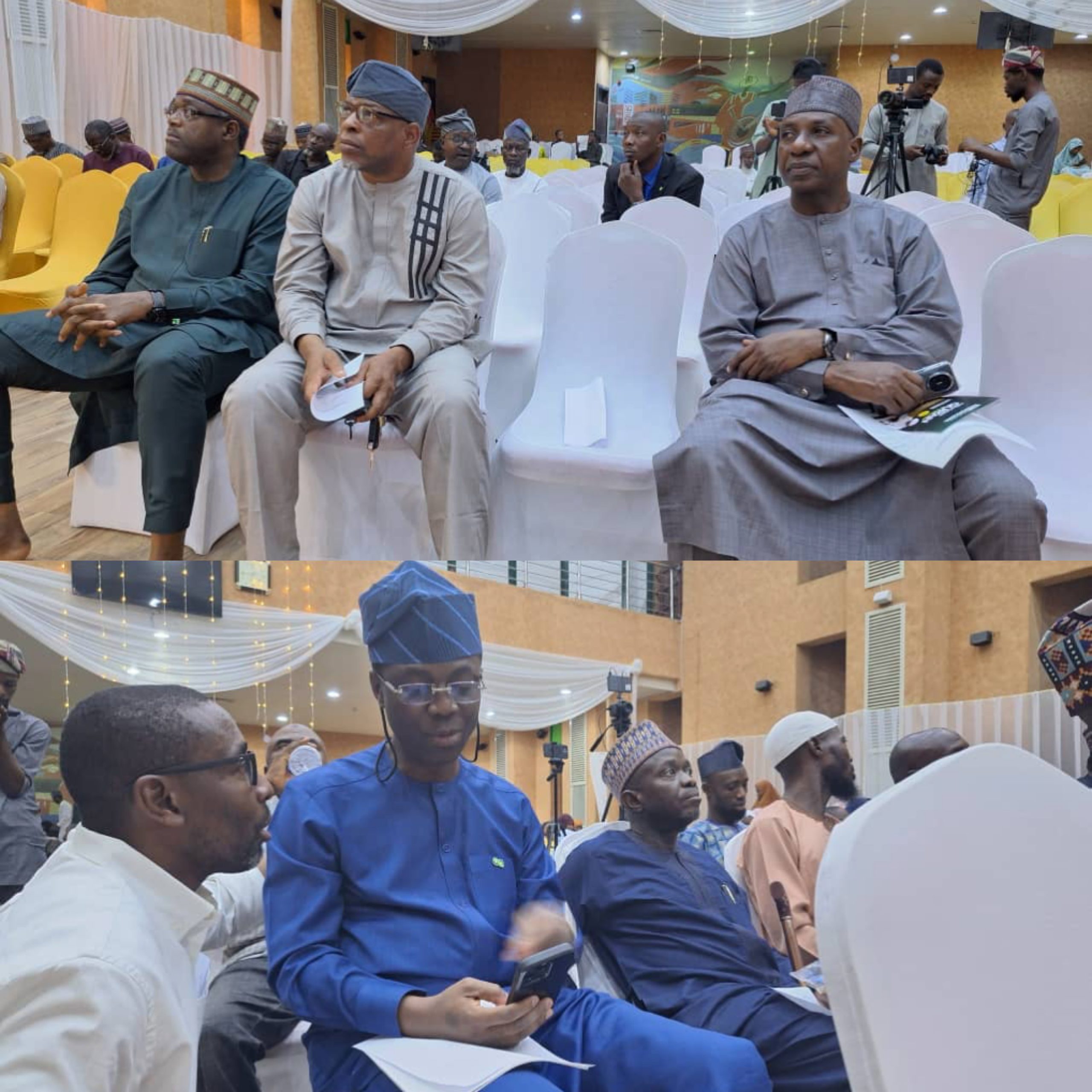
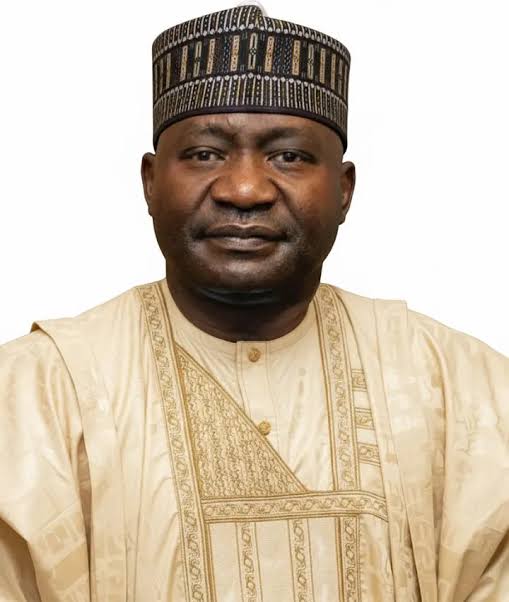
Being a paper presented by Dr. Musa Olaofe, Chief Imam, Ansar-Ud-Deen Society Mosque, Maitama, Abuja, at the 18th Annual Ramadan Lecture/Iftar Ceremony of the Obafemi Awolowo University Muslim Graduates’ Association (UNIFEMGA) Abuja Chapter, held in Abuja.
Introduction
Sustaining faith in a fast-changing world is one of thesignificant challenges for Muslims in the modern era, as they strive to balance their commitment to Islamic principles with the demands of modernity. The Noble Qur’an emphasizes the importance of adapting to changing circumstances while remaining steadfast in faith, as stated in Qur’an 2:143, “And seek help through patience and prayer, and indeed, it is difficult except for the humbly submissive (to Allah).”
The modern world is evolving at an unprecedented pace, bringing both opportunities and challenges for religious communities. As technological advancements, scientific discoveries, and sociopolitical changes reshape human civilization, religious traditions, including Islam, face the task of maintaining their core principles while adapting to new realities. Faith, which has historically served as a guiding light for Muslims, is now confronted with the pressures of secularism, individualism, and globalization.
The Qur’an reminds us that challenges and changes are an integral part of life: “And We will surely test you with something of fear and hunger and a loss of wealth and lives and fruits, but give good tidings to the patient.”(Surah Al-Baqarah 2:155)
Modernity is characterized by industrialization, technological innovation, globalization, and secularism. It has led to a shift from traditional religious authority to a society where science and rationalism often take precedence (Gerami & Aghagolizadeh, 2025). While modernity has brought many advancements, it has also created an environment where religion is often viewed as secondary to material progress.
Studies show that urbanization and economic development often correlate with a decline in religious observance (Khedri & Ashtari, 2025). Some argue that science and religion are incompatible, though Islam promotes the pursuit of knowledge (Surah Al-Mujadila58:11). Issues such as artificial intelligence, biotechnology, and gender roles challenge traditional Islamic perspectives.
How can Muslims sustain their faith amidst these transformations? Can Islam provide solutions to the ethical dilemmas of modernity? The intersection between Islam and modernity, highlighting the challenges Muslims face and the strategies needed to sustain faith in a rapidly changing world is explored in this lecture. In navigating the challenges of modernity, Muslims must cultivate critical thinking and discernment, as encouraged by the Prophet Muhammad (peace be upon him). He said: خَيْرُ النَّاسِ أَنْفَعُهُمْ لِلنَّاسِ
“The best of people are those who are most beneficial to people” (Sunan Ibn Majah, Book 1, Hadith 55).
This Hadith emphasizes the importance of being beneficial and helpful to others, which is a core value in Islam. This involves embracing education and innovation, while staying rooted in Islamic principles. The world is changing at an unprecedented pace, with technological advancements, shifting societal values, and increasing global interconnectedness.
As Muslims, we face the challenge of sustaining our faith in this fast-changing world, where traditional norms and values are constantly being redefined. This lecture explores the guidance of Islam in navigating these challenges, drawing on the wisdom of the Qur’an and the Sunnah of Prophet Muhammad (peace be upon him).
Core Principles of Islam in a Changing World: Qur’anic Perspective
Islam’s adaptability stems from the duality of revelation (Qur’an, Hadith) and reasoning (Ijtihad). The Prophet Muhammad (ﷺ) emphasized flexibility in Islamic rulings, stating: “Make things easy and do not make them difficult.” (Sahih al-Bukhari, 6125)
Islam provides ethical frameworks for justice, human dignity, and moral conduct, applicable in contemporary contexts: Islam’s emphasis on equity addresses concerns about economic disparity in a capitalist-driven world (Surah Al-Nahl 16:90). As traditional family structures evolve, Islam upholds the importance of kinship ties and moral responsibility (Surah Al-Isra17:23-24).
AI, cloning, and genetic modification raise bioethical concerns that scholars continue to examine through Ijtihad (Mutter, 2025). The Qur’an, as the word of Allah, thus, provides timeless guidance for believers. In the face of modernity’s challenges, the Qur’an reminds Muslims to maintain the following in any circumstances: emphasizinf the importance of maintaining our focus on Allah, the one and only God, in the midst of changing circumstances (Quran; 112:1-4); encouraging believers to be patient and steadfast in the face of adversity, trusting in Allah’s plan (Qur’an;2:143); and stressing the importance of seeking forknowledge and understanding, while also warning against the dangers of ignorance and misinformation (Qur’an 96:1-5).
The Prophetic Guidance
The Sunnah, comprising the sayings, actions, and silence approvals of the Prophet Muhammad (peace be upon him), provides valuable insights for navigating modernity’s challenges. The Prophet Muhammad (peace be upon him) demonstrated adaptability and flexibility in the face of changing circumstances, while remaining committed to Islamic principles. Hadith on Adapting to Circumstances: Narrated by Anas bin Malik (may Allah be pleased with him), the Prophet Muhammad (peace be upon him) said:
“We were with the Prophet (peace be upon him) on a journey, and he said, ‘Let us proceed.’ We said, ‘But, Messenger of Allah, the sun is still high.’ He said, ‘Proceed, for the shade of the trees is not like the shade of Allah’s mercy.” (Sahih Bukhari, Volume 4, Book 56, Number 790)
This Hadith illustrates the Prophet’s flexibility and adaptability in responding to changing circumstances.
The Prophet (peace be upon him) encouraged critical thinking and discernment, warning against blindly following traditions or authority. In the Hadith narrated by Abu Hurairah (may Allah be pleased with him), the Prophet Muhammad (peace be upon him) said:“Reflect on knowledge, for reflecting on knowledge is a form of worship” (Sahih Muslim, Book 35, Number 6475). This Hadith encourages believers to engage in critical thinking and reflection on knowledge, recognizing it as a form of worship. In another Hadith. He said: “Verify (the authenticity of) the Hadith narrated from me, and if it conforms to the Book of Allah (Quran), accept it; otherwise, reject it.” (SahihMuslim, Book 4, Number 1374) This Hadith emphasizes the importance of verifying information and evaluating its authenticity critically before accepting it.
The Prophet (peace be upon him) also emphasized the importance of treating others with kindness, compassion, and empathy, even in the face of disagreement or adversity. He said: “Allah is kind and loves kindness in all matters” (Sahih Bukhari, Volume 8, Book 73, Number 41). The Prophet Muhammad (peace be upon him) also made it clear in one of his traditions that: “That which is lawful is clear and that which is unlawful is clear, and between the two are doubtful matters about which not many people know (Imam Nawawi, Fourty Hadith, Hadith 6). This Hadith has two parts: the first part of the hadith emphasizes that what is permissible (halal) and what is forbidden (haram) are clearly defined in Islamic teachings.
While the second part of the Hadith highlights that there are some matters that are unclear or ambiguous (mustabihat) and that not many people have a clear understanding of them. The hadith encourages Muslims to be cautious and avoid these doubtful matters, as they can lead to engaging in haram actions. It stresses the importance of seeking knowledge and understanding of Islamic teachings to make sound judgments and avoid what is forbidden.
Challenges of Modernity Face by Muslims
Muslims face numerous challenges in the modern world. The major challenges including:
Some argue that faith and science are in conflict, yet Islam encourages the pursuit of knowledge:“He has subjected to you whatever is in the heavens and whatever is on the earth—all from Him. Indeed, in that are signs for a people who reflect.” (Surah Al-Jathiyah 45:13) Contemporary scholars are working to harmonize Islamic theology with modern scientific discoveries.
3. Globalization and Social Media: The constant bombardment of information through social media can lead to distraction, confusion, and a lack of critical thinking. Globalization has led to cultural homogenization, where Western liberal values often overshadow Islamic traditions. This results in an identity crisis among Muslim youth(Muthohirin, 2025).
4. Cultural and Moral Relativism: The increasing acceptance of moral relativism can lead to a blurring of lines between right and wrong, and a decline in moral standards.
Strategies for Sustaining Faith in the Modern World
Islamic education must evolve to address modern philosophical challenges, equipping Muslims with both spiritual grounding and intellectual confidence(Supriadi, 2025). Institutions like Al-Azhar and IIUM (International Islamic University Malaysia) serve as examples of academic and Islamic integration. The contemporary era offers unprecedented opportunities for Islamic education, scholarship, and technological advancements. Embracing innovation while staying rooted in Islamic principles can facilitate societal progress.
Islamic teachings provide solutions to contemporary ethical dilemmas. For example, Islam promotes a balance between spiritual and psychological well-being (Surah Ar-Ra’d 13:28). Also, the Qur’an’s emphasis on fairness resonates with today’s calls for equality (Surah An-Nisa 4:135). Thus, regularly reading and reflecting on the Qur’an and Hadith can provide guidance, comfort, and inspiration. One needs to surround oneself with like-minded individuals who share similar Islamic values and can provide support and encouragement. There is also need to cultivate patience and trust in Allah’s plan, recognizing that He is the ultimate source of guidance and strength.
Apps like Muslim Pro and Bayyinah TV are transforming Islamic education. Scholars like Mufti Menk and Nouman Ali Khan engage with youth online, countering misinformation. It is, therefore, important to develop critical thinking skills to navigate the complexities of modern life, and discern right from wrong. Islam’s engagement with modernity showcases its adaptability and resilience. While facing challenges, it presents an invitation to embrace diversity, uphold ethical principles, and harness the potential of progress to create a world reflective of Islamic values.
Islamic scholarship must engage with modern issues, applying Ijtihad (independent reasoning) to bioethics, economics, and politics. Scholars argue for a balance between tradition and progress (Jumah, 2025), which often eleads to what may be termed Islamic reform movements. Islamic reform movements aim to tackle contemporary issues while preserving core Islamic values. This effort has sparked debates between those who stick to tradition and those who want change.
Conclusion
Sustaining faith in a fast-changing world requires a deep understanding of Islamic principles, critical thinking, and a commitment to staying connected to the Qur’an and Sunnah. Islam’s ability to adapt while preserving its core values ensures its relevance in the modern era. While secularism, scientific advancements, and globalization present challenges, Islam provides a resilient framework for faith and ethics.
The Prophet (ﷺ) said: “A time will come when holding onto your faith will be like holding onto a burning coal.” (Sunan al-Tirmidhi, 2260). Despite modern challenges, faith can be sustained through education, ethical engagement, and technological adaptation. By embracing Islamic teachings and critical thinking, Muslims can navigate modernity without compromising their identity.

Leave a Reply