


Iranian cleric urges Muslim nations to stay united against foreign interference
By Sadiq Abdulfatah
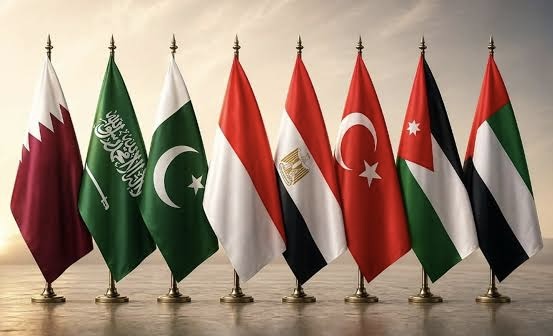
A senior Iranian cleric, Mamusta Mamoud Rostami, has warned that the Islamic world must remain united to effectively counter U.S. influence and interference in the region. In an interview, Rostami emphasized that without solidarity among Muslim nations, foreign powers will continue to exploit divisions and dominate countries with strategic or political importance. He described unity as the strongest tool for protecting the sovereignty, faith, and dignity of Islamic nations.
Rostami, who also serves as a representative of Kurdistan Province in Iran’s Assembly of Experts and as a senior member of the World Forum for Proximity of Islamic Schools of Thought, addressed recent statements by the U.S. President about “saving Iran.” He said such claims are misleading and have no basis in reality. According to Rostami, the U.S. often uses rhetoric about human rights and freedom as a cover for pursuing expansionist policies that interfere in the domestic affairs of other countries, undermining their independence and stability.
He pointed to the long history of U.S. interventions in countries such as Afghanistan, Syria, and Iraq, as well as other nations in the Middle East and beyond, describing these actions as part of a broader pattern of political and military interference. Rostami stressed that the Iranian people, grounded in the principles of Muhammadan Islam, have consistently rejected foreign interference, and that resisting such pressure strengthens both national unity and public awareness of external threats.
The cleric argued that the United States and its allies have rarely acted in ways that respect the dignity, rights, or independence of Muslim countries. He said their policies often target countries that attempt to make independent decisions or pursue paths outside Western influence. According to Rostami, this history of intervention shows that Muslim nations must carefully safeguard their political and religious autonomy, or risk continued manipulation by powerful foreign states.
Rostami also highlighted the critical role of religious scholars in raising public awareness and guiding communities to protect their homeland, faith, and traditions. He explained that scholars have historically reminded the public about the importance of unity, moral integrity, and resistance to external pressures, and that their voice remains essential in strengthening the cohesion of Muslim societies in the face of modern political challenges.
He warned that if Muslim nations fail to act together, the United States and its allies will continue to dominate and exploit divisions within the Islamic world. Rostami urged Muslim leaders and communities to adopt strategies based on consultation, solidarity, and shared values, emphasizing that these measures are necessary not only to preserve national sovereignty but also to protect the spiritual and social integrity of the Muslim Ummah.
Drawing parallels to historical challenges faced during the time of Prophet Muhammad (PBUH), Rostami stated that today’s enemies continue to use similar tactics aimed at dividing Muslims and weakening their collective strength. He concluded by stressing the importance of following the guidance of the Qur’an and Sunnah, fostering brotherhood, and promoting unity, warning that without these efforts, foreign powers will continue to exert influence and threaten the stability and dignity of Muslim nations.
Source: Taghrib News Agency

Leave a Reply