

New programme aims to equip pupils with conflict resolution skills, tolerance and responsible citizenship amid Nigeria’s security and social challenges
By Abdullahi Yusuf
The Nigerian Educational Research and Development Council (NERDC) has begun developing a standalone Peace Education Curriculum designed to embed peacebuilding, conflict resolution and responsible citizenship into Nigeria’s education system, in what education officials describe as a significant step towards strengthening national cohesion.
The initiative, being developed under the oversight of the Federal Ministry of Education, seeks to institutionalise peace education by introducing a dedicated curriculum that will equip learners with the knowledge, values and practical skills needed to foster peaceful coexistence in an increasingly diverse and complex society.
The curriculum development workshop builds on earlier Education for Peace content jointly developed by NERDC and the United Nations Educational, Scientific and Cultural Organization (UNESCO), while also drawing from the National Education for Peace Framework previously developed and validated with input from key stakeholders.
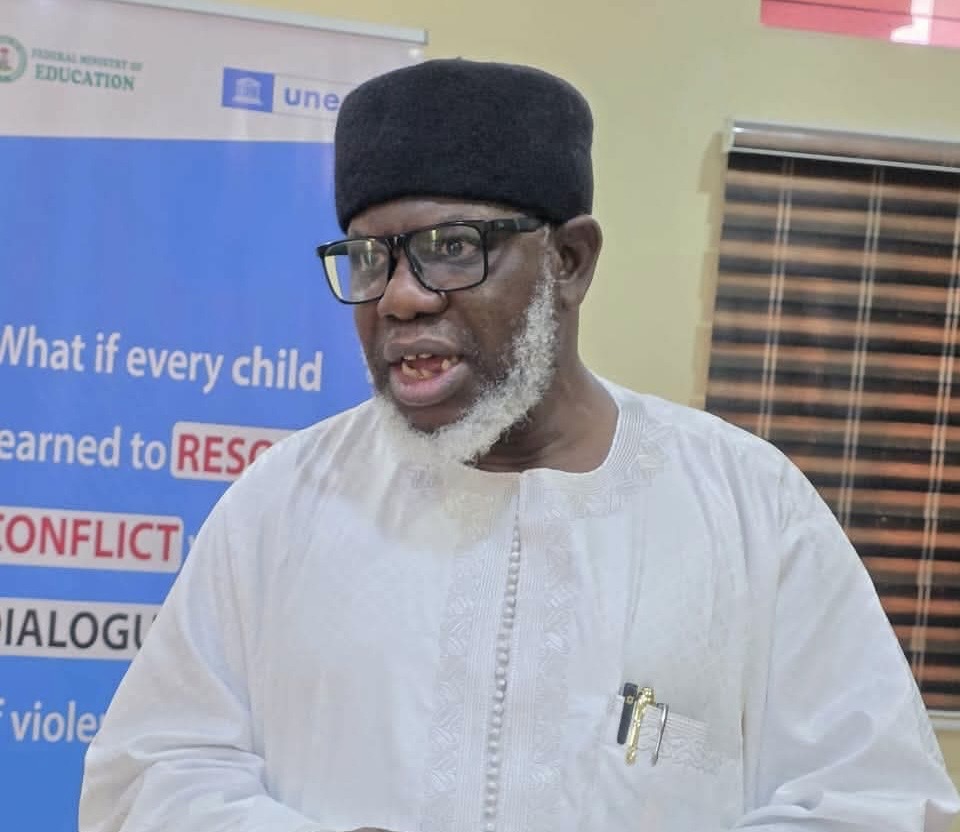
Addressing participants at the workshop, NERDC Executive Secretary, Professor Salisu Shehu, said the proposed curriculum is intended to nurture a culture of peace by helping young Nigerians develop the competencies required for dialogue, mediation, conflict resolution, tolerance and active citizenship.
He said the curriculum has been designed to address a broad range of issues considered central to peaceful coexistence, including unity in diversity, interfaith dialogue, respect for the rule of law, ethical leadership, equality, mediation, conflict prevention and the prevention of atrocity crimes.
Professor Shehu said the initiative comes at a time when Nigeria continues to grapple with persistent security and social challenges, including ethnic, religious, political and socio-economic conflicts that have claimed lives, displaced communities and hindered national development.
He also pointed to the growing influence of hate speech, misinformation and intolerance, particularly on social media platforms, warning that such trends continue to deepen divisions and undermine efforts to build social cohesion.
According to him, the Peace Education Curriculum forms part of the Nigeria Peace Education Initiative (NPEI), which seeks to help young people better understand the value of peace, respect for human dignity and the consequences of violence, extremism, militancy, banditry and other forms of conflict.
Beyond classroom instruction, the curriculum is expected to expose learners to both historical and contemporary experiences of violence, including the Holocaust, the transatlantic slave trade and other context-specific conflicts to promote empathy, resilience and a deeper appreciation of peaceful conflict resolution.
Education officials say the programme will also focus on strengthening teachers’ capacity through training and professional development, ensuring they are equipped to deliver peace education effectively across schools nationwide.
NERDC believes that, over time, the curriculum will contribute to producing a generation of Nigerians with the knowledge, values and skills to promote dialogue, mutual respect and peaceful coexistence across the country’s ethnic, religious and cultural divides.
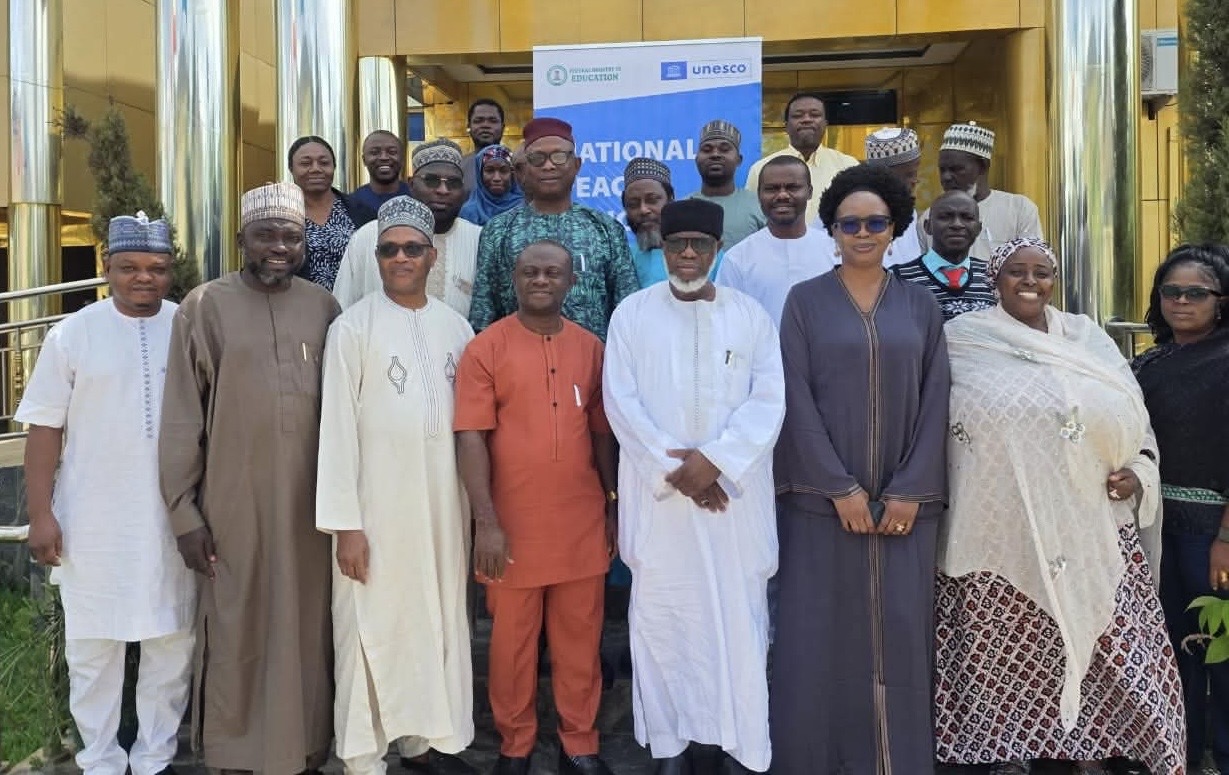
The curriculum development workshop has brought together curriculum specialists, peace and conflict resolution experts, policymakers and development partners, whose contributions are expected to shape a nationally relevant framework capable of responding to Nigeria’s evolving educational and societal needs.

Leave a Reply