

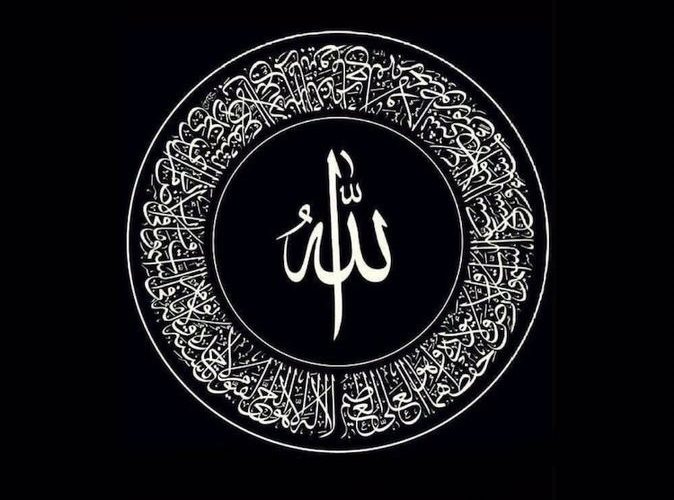
“A woman was punished because of a cat which she had confined until it died. She entered the Fire because of it. She neither fed it nor gave it water while it was confined, nor did she let it free to eat from the creatures of the earth.” (Sahih al-Bukhari, Hadith 2365; Sahih Muslim, Hadith 2242)
By Abdullahi Yusuf
In the name of Allah, the Beneficent, the Merciful. All perfect praise is due to Allah, may He be glorified and exalted, the Lord of the Worlds. We bear witness that there is none worthy of worship but Allah, and Muhammad (pbuh) is His slave and final Messenger.
As we reach the 100th episode of Golden Words of Allah, we reflect on one of the most profound lessons from the Sunnah, a story that demonstrates that Allah’s justice encompasses every living creature. Although the account concerns a cat, its true message is about mercy and accountability before Allah.
Surah Al-An’am, revealed in Makkah, the 165 verses present one of the Qur’an’s profound declarations of Allah’s Lordship over creation. It portrays a universe where nothing exists independently of its Creator, not mankind, not the beasts of the earth, nor the birds that soar through the sky. Every soul lives by His command and remains under His perfect knowledge.
Allah says: “There is no creature on earth nor bird that flies with its wings except that they are communities like you. We have neglected nothing in the Record. Then unto their Lord they will be gathered.” (Surah Al-An’am, 6:38)
The Messenger of Allah (pbuh) gave one of the most profound lessons on mercy towards animals through the story of a woman whose cruelty became the cause of her punishment.
The Prophet (pbuh) said: “A woman entered Hell because of a cat. She tied it up and neither fed it nor released it to eat the insects and creatures of the earth until it died.” (Sahih al-Bukhari, Hadith 3318; Sahih Muslim, Hadith 2242)
According to another narration, the Prophet (pbuh) explained that she imprisoned the cat, depriving it of food, water and the freedom to seek sustenance until it perished. Her punishment was not because the victim was a human being, but because she violated the trust Allah places upon every creature under our care.
This hadith establishes one of the great principles of Islam: mercy is not reserved for human beings alone. Kindness extends to every living creature. Islam condemns neglect, abuse and unnecessary suffering inflicted upon animals.
Allah says: “And My mercy encompasses all things.” (Surah Al-A’raf, 7:156)
The Prophet (pbuh) himself embodied this mercy. He prohibited using animals as targets for sport, forbade overburdening riding animals, instructed that blades be sharpened before slaughter to minimise suffering, and encouraged feeding and caring for animals. He also narrated the account of a man whose sins were forgiven because he drew water from a well to quench the thirst of a panting dog. (Sahih al-Bukhari, Hadith 2363; Sahih Muslim, Hadith 2244).
These narrations teach that Allah values acts of compassion that many people consider small. Likewise, He holds people accountable for acts of cruelty they may think insignificant. The woman did not kill the cat with a weapon, yet neglect itself became oppression. Islam therefore teaches that withholding care from those dependent upon us can be as blameworthy as direct harm.
As we celebrate this milestone of Golden Words of Allah, let us remember that no act of kindness is ever wasted, and no act of oppression escapes the knowledge of Allah. The believer seeks His mercy by extending mercy to all of His creation. May Allah make us among those who are compassionate to every creature, protect us from oppression in all its forms, and grant us hearts filled with mercy that earn His mercy on the Day we meet Him. Amin.
And Allah knows best.





Leave a Reply