

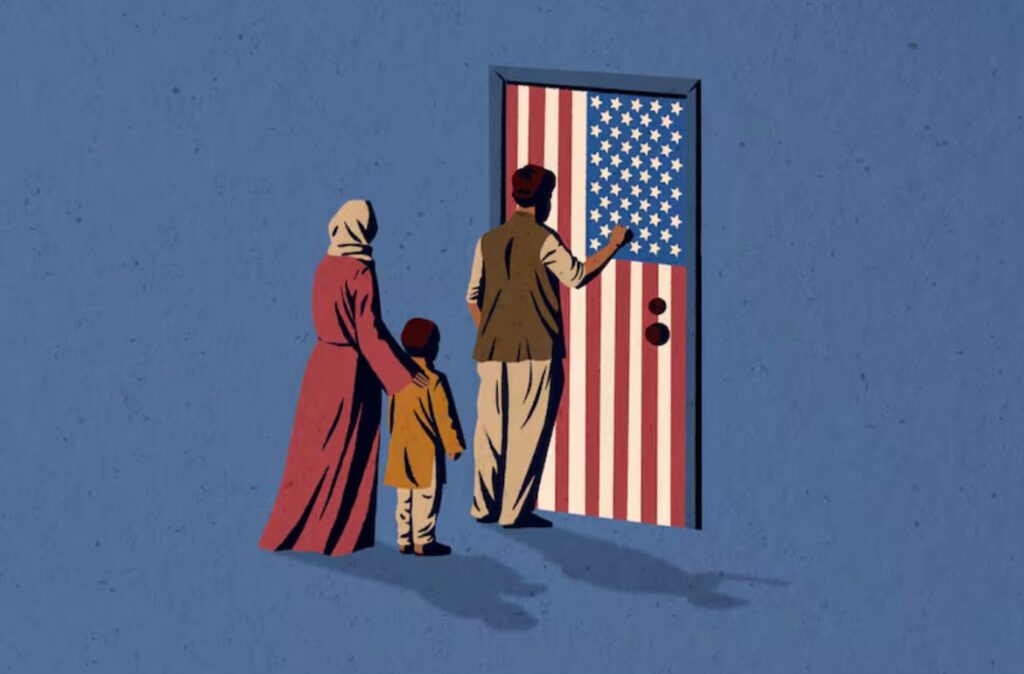
Jack Hibbs claimed Islam prevents Muslims from pledging allegiance to the Constitution, but the figure he cited referred to officials already in office, not candidates elected in the November midterms.
By Abdullahi Yusuf
A Southern California pastor has drawn sharp criticism after questioning whether Muslim Americans can pledge allegiance to the U.S. Constitution, prompting a Muslim civil rights organization to condemn his remarks as “hateful and irresponsible” and warn against rhetoric that portrays Muslim citizens as unfit for public office.
Jack Hibbs, pastor of Calvary Chapel Chino Hills in San Bernardino County, made the comments while discussing the results of the 2026 midterm elections. The Greater Los Angeles chapter of the Council on American-Islamic Relations (CAIR-LA) condemned his statements on Nov. 10 and urged religious leaders to challenge language that fuels suspicion and discrimination against Muslim Americans.
In a sermon clip circulated on X, Hibbs claimed that Islam prohibits Muslims from pledging allegiance to the Constitution and instead requires them to pledge allegiance to Islamic law, commonly known as Sharia. Referring to the Sept. 11, 2001, attacks while discussing the election results, he told his congregation, “We have surrendered.”
Hibbs also criticized Christians who did not vote in the midterm elections, according to ChurchLeaders.
However, the figure of 255 Muslim elected officials cited by Hibbs was not a result of the November election. It came from a directory published by CAIR and CAIR Action in August, more than two months before Election Day, documenting Muslim officials already serving in 26 states. Most held local government or education-related positions. The directory was compiled using public records, research and information submitted by community members.
A separate preliminary count released by CAIR and CAIR Action on Nov. 5 found that at least 97 Muslim candidates had won election in the midterms. The tally covered federal, state and local contests, with some races still being counted.
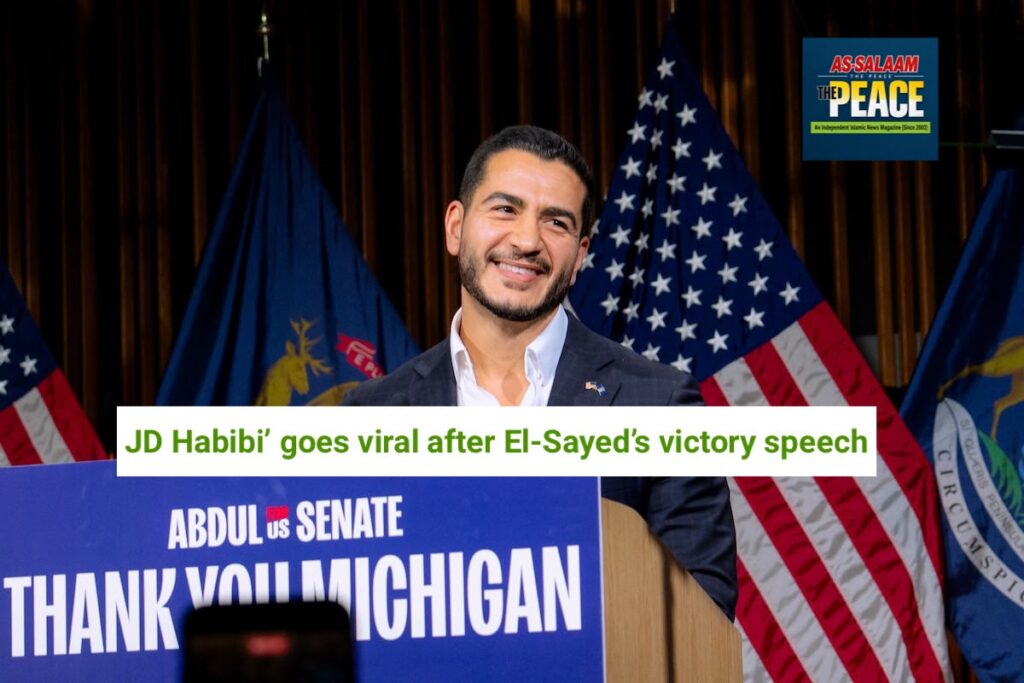
One of the most significant victories came in Michigan, where Democrat Abdul El-Sayed defeated Republican Mike Rogers and is set to become the first Muslim elected to the U.S. Senate, according to the Associated Press. A former public health official, El-Sayed campaigned on universal health care and reducing the influence of money in politics.
Hibbs’ claims also raise fundamental constitutional questions. Article VI of the U.S. Constitution requires members of Congress, state legislators and federal and state executive and judicial officers to support the Constitution through an oath or affirmation. Crucially, it explicitly prohibits religious tests for public office.
The Supreme Court reinforced constitutional protections for freedom of belief in its 1961 ruling in Torcaso v. Watkins, which struck down Maryland’s requirement that a notary public declare a belief in God. The court found that the requirement violated protections under the First and Fourteenth Amendments.
CAIR-LA Executive Director Hussam Ayloush said Hibbs’ remarks risk encouraging congregants to regard Muslim neighbors with suspicion and reinforce the discriminatory notion that Muslim Americans are less entitled to participate in public life. Ayloush said Islam teaches respect for people of different faiths and warned that the pastor’s rhetoric could damage relationships built among religious communities.
The controversy unfolded as Muslim Americans celebrated El-Sayed’s historic Senate victory. In an interview with the Associated Press, El-Sayed said he ran to represent Michigan and described his faith as one part of his identity.
The election has renewed attention to the political participation of Muslim Americans, particularly against the backdrop of anti-Muslim prejudice that intensified after the Sept. 11 attacks. Hibbs’ decision to invoke those attacks while questioning Muslim Americans’ constitutional loyalty has drawn criticism for reinforcing suspicion toward an entire religious community.
CAIR-LA called on faith leaders across Southern California to promote dialogue and mutual understanding among religious communities. It also urged anyone who experiences a bias or hate incident to contact its Civil Rights Department or submit a report through the organization’s online reporting system.
Leave a Reply